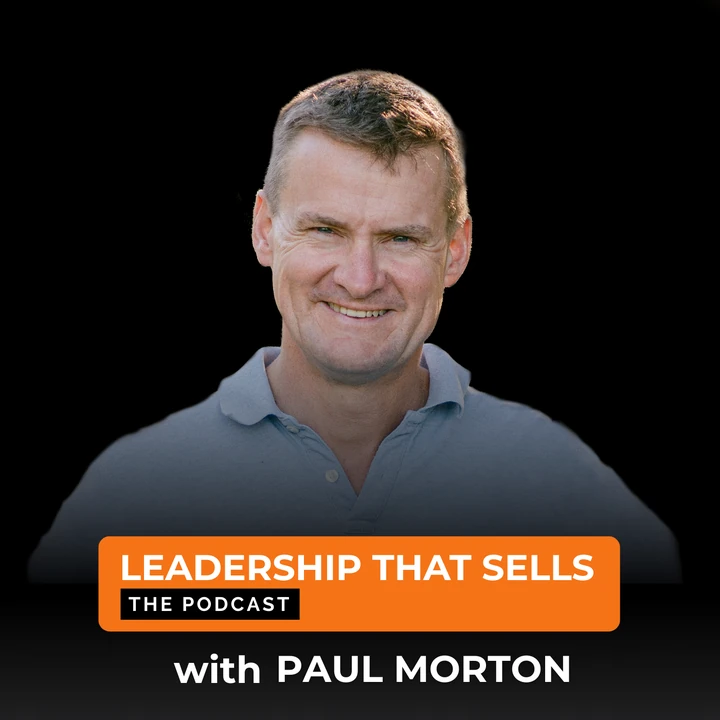
How to really understand people
with Mehdi Tounsi
Show notes
Kick the puppy and give it a cheese sandwich. (25:00)
Mehdi and I bonded over our love of food & travel – you need to skip to 05:50 to get into the actual management stuff!
I can only apologise for this episode’s cocktail mixture of metaphors and ideas. We developed the Drumstick analogy, the now-famous Tounsi method, and talked about the joy of Norwegian hot dogs. Mehdi shared the best casual restaurant in Dubai.
He shared how by asking simply “how is it *really* going?” you get beyond the very British “fine…” as a response and can truly understand where someone is.
Mehdi learned a lot from a disastrous few years in the US, where he and his family hadn’t expected the culture and environment to be as different as they experienced it to be.
We talk about potentially being too persuasive. Does the leader’s passion run the risk of overriding someone’s common sense, and ask can nice be dangerous?
Pre-mortems appear at 26:00 and Mehdi doesn’t seem to have to dig too deep to uncover his French cultural disagreement with the British lack of assertiveness.
Ultimately – he says that curiosity is stronger than fear.
This was a conversation for the ages – we both hope you enjoy it.
You can find Medhi here:
https://www.linkedin.com/in/mehditounsi/
————-
When you’re ready, upgrade your management skills here:
https://leadershipthatsells.com/
Transcript
Automated transcript. Speaker labels and spellings may contain errors.
Paul
[upbeat music] Hello, and welcome to the Practical Leadership Podcast, where I interview great leaders and try to extract their wisdom and their experience for you to learn from and hopefully avoid making their mistakes. If you want to upgrade your leadership skills in 25 minutes, check out practical-leadership.academy. [upbeat music] Mehdi Tounsi, thank you for joining me.
Mehdi Tounsi
Thank you.
Paul
Can you introduce yourself?
Mehdi Tounsi
Um, well, that's, that's a, I guess it should be a simple one. Um, so my name is Mehdi. Um, I'm a, um, senior regional director for OpenSesame, and I've been in the learning industry for, gosh, uh, probably more years than I, I, I could care to count. But, um, s- oh, yeah, north of 20 years, um, within the learning industry. Um, I've always been excited about people and working with people and, and, you know, challenging the status quo, so that's probably why I stuck with the, um, the learning industry.
Paul
And you're ridiculously well traveled. I mean, from the UK to Australia to New York back to the UK to-
Mehdi Tounsi
I would say I'm very fortunate. Um, so I'm ... And for those who haven't picked it up yet, um, I'm French, so born and raised in the, uh, beautiful city of Lyon. And, and after finishing my studies, I moved to the UK, and then after spending seven years in the UK, I had the opportunity to, uh, go and work in Australia, so I've worked in Australia for a few years. And then a few years ago, got the opportunity to go and work, um, in the US, so w- was based in New York, um, short of three years and then moved back to London. Um, so I'm, I'm, yeah, I'm just very fortunate to have been at the right place at, at the right time. Uh, but I wouldn't, I wouldn't say I'm necessarily that well traveled. I, I know there's many places I still haven't seen and would love to see.
Paul
Well, I don't know if it's, uh, quality over quantity, though.
Mehdi Tounsi
I was in the Middle East last week. I w- I was in Dubai. But despite all the years, I still get excited at the prospect of traveling and going to a new place and, you know, meeting new people and discovering. Somehow I managed to remain a, a kid at heart, and that certainly helped a great deal th- throughout the, um, most of my career.
Paul
I know what you mean when it comes to the, the, the travel and the adventure. I used to travel a lot for work, and in the same way that, uh, my kids really get excited whenever we go anywhere new, uh, you have this degree of this, this frisson of apprehension. It's like, oh, plus the excitement of getting to go somewhere new, do something new, but meet new people. You know, how am I gonna be able to understand them? Will, uh, will they understand me? Is it ... Yeah, it doesn't matter about the languages.
Mehdi Tounsi
It's, uh, y- you're spot on, Paul. I, I, I'd say, and, and, and maybe that that's also over the past few years, to the detriment of my waistline and the food, it's just I get so excited at the prospect of being able to, uh, eat different foods, and that's probably why I love living in London. It's just that, that opportunity to be able to eat something different based on, you know, what I fancy.
Paul
Do you know, you're not wrong. I hadn't actually thought about that, but it is, it's ... A big part of it is the food as well. It's one of the first things, I touched down in Oslo Airport, and they've got this brilliant... It's an airport, right? But they've got this brilliant hotdog stand, and I love Norwegian hotdogs. First thing, I don't care what time it is. I've just had my breakfast, or it's like 10 o'clock at night. I'm gonna have a fabulous Norwegian hotdog with this like-
Mehdi Tounsi
So hold on, what-
Paul
... crunch on the end
Mehdi Tounsi
... is a Norwegian hotdog? 'Cause I, I ... You, you, you've got my curiosity now. But I, I, I, I... There's two things I had not even put together-
Paul
[laughs]
Mehdi Tounsi
... Norway and hotdogs, so.
Paul
It's a thing. It's a thing. When they have this wonderful thing called the Frans hotdog, where they have like a baguette hollowed out, and they put this lovely creamy dressing and then shove the hotdog into it. Um, but you can also get... The other one was like a traditional, like a New York-type thing where they have really crunchy, crispy onion-y bits on it or something. Oh, it's great.
Mehdi Tounsi
And is it that s- specific relish to go with that?
Paul
Yeah, it's a really nice, uh, you know, hotdog dressing they call it. Anyway.
Mehdi Tounsi
Well, there, see, there you go, 'cause I, again, I would have never put Norway as a, a food destination anyway.
Paul
[laughs]
Mehdi Tounsi
So.
Paul
It's not... Well, no, actually, that's not fair. It's not fair. It is actually... It, it's like London maybe 15 years ago. It used to not be a, a destination you'd go to, but it is actually quite something now. They have amazing restaurants now. But, you know, it's, it's sometimes it's not necessarily the fancy food that actually turns you on. It's the really-
Mehdi Tounsi
No, I, I... So I'm, I'm 100% with you. It's, it's two things. It's one, has to be wise because I love street food, but depending which country you're traveling to-
Paul
Mm
Mehdi Tounsi
... one want to be very careful with street food. Um, but at the same time it's also, uh, I, I like just staying away from like the, your obvious. I would stay away from like any chain or whatever. And-
Paul
Right
Mehdi Tounsi
... so a- as an example, in, in... when I was in, um, Dubai, I just discovered that restaurant that actually has been voted, um, one of the top 50 restaurants in the Middle East and Af- and North Africa called Trois Fils. And it's, um, actually a... So you can't book a table. It's first come, first served kind of basis. And I love that, that they, you know, they're not taking it to a, a posh level. Um, but the, the food is a mix of... It literally is a, a mix of Asian... It's an Asian fusion with Middle Eastern or, or French. It's, it's just wonderful. It really is, uh, amazing food. Really tasty. Decently priced, which is always important. So I, I, I, I love finding places like that that are mostly, you know, visited by locals, uh, but where you have to queue 'cause that's always a good sign [laughs] you know, you, you're heading for a good place. [laughs]
Paul
Marvelous. Right, we better get back on track, I tell you. So tell me, um, after all of your travels, all of your experiences, and you've been in this learning industry kinda like me as well for 20-plus years, and you're showing your age there talking about CD-ROMs. What about laser discs? Oh my God. In that time- At what point did you first become a people manager?
Mehdi Tounsi
So for, for a, a good chunk of that, um, I was in IC, so I was an individual contributor, and I kind of enjoyed it quite a lot. And I, I think I enjoyed it because... And I've only reflected on that, uh, in fact, it's my CO that helped me reflect on that recently, that I'm a, um, self-starter. And it's not me singing my praises. It's more the case that I get far more excited and engaged when we have a blank canvas and we need to build things from scratch versus scaling something that already exists. And I'm, um, that's not where, where I'll get excited, and it's definitely not where my skills, um, lie. So it's, it's much more in that opportunity of being able to build things from scratch. And, and I strongly believe that before asking anyone to do anything, I have to be prepared to do it, and I have to know how to do it myself, 'cause then otherwise it's very hard to l- just lead people
into it. So it probably about 10 years into my career, that's when I, I started have- having to lead people. Um, and I realized that because I love people, because I love this industry, it's much easier for me to surround myself with people that are quite autonomous and, and need probably more guidance and coaching versus being told what to do, um, A, because I don't necessarily see the point of, you know... The, the whole point of l- having people around you is not necessarily for me to tell them what to do, but rather just, like, you know, help them be the best version of themselves. And, and I think I'm a... Y- if you remember the, the, the... Was it, I think it was called Good Morning Britain, or yeah, it was a TV program when I first moved to the UK, and they had that chap called Mr. Motivator that had the most ridiculous outfits.
Um, I quite fancy myself as, as, as that. It is really helping people to, like, you know, be able to l- deliver the, the best they can deliver and, and just allow them to remain within the, the remit of what, you know, we require as a business.
Paul
How do you reconcile you're surrounding yourself with people who are self-starters like you, but at the same time you just said you feel that you need to be able to do everything yourself before you can ask anyone else?
Mehdi Tounsi
Well, um, so first of all, I, I don't... That doesn't mean that I need to be able to do it well, and that's where actually that helps me recognize and identify the right people for the job, because there are many things that, you know, I had to do myself, and I certainly did not do a good job at, at it. But this is, uh... It helped me understand what is required, and then be able to identify that person is going to be amazing at doing that. So I wanna be able to support that person and help that person, but I wanna be able to tell them, "Okay, that's what to expect." I, I don't wanna throw people in the deep end without having any understanding of what I'm asking of, of others, if that makes sense.
Paul
So you want a degree of domain knowledge, but not necessarily expertise.
Mehdi Tounsi
Yeah, exactly. Yeah, and, and I don't think you can be an expert in everything.
Paul
No.
Mehdi Tounsi
Um, and, and funny enough, when you, we started the, the conversation, you, w- I was talking about how impressed I am with, like, um, you as a polyglot and your s- your, your language skills. But I, I'm very... I think I'm a jack of all trades, but I'm an expert at none. So it, it's more about, okay, who are the right people, and how can I get those people to be the best at what they do within their, like, their specific remit? And that's where maybe I'm, I'm, I'm decent, I'd say, but I don't have the expertise in, like, any specific field as much as just a, a, a, a, a more macro understanding of our industry and the environment we're in to be able to help the, the people I surround myself with. And I, in fact, I shouldn't say, like, I surround myself with. It's the opposite. I, I strongly believe in the, the servant leader, um, as a, as an approach and philosophy.
Paul
Mm-hmm. Okay. Is, is the joy of coaching, I think, is part of that, that you don't actually have to have the answers.
Mehdi Tounsi
No. A- and so if anything, um, it's probably the best learning. It's, it is two things, and, and I might shock a few people, but being French, I need to embrace humility as often as I can. So admitting... I, I think there's a, there's a, a great, you know, learning step in being able to admit to the people that you're supposed to lead that you don't necessarily have the answers, but then also being able to ask the question to, you know, so that we can maybe as a group come to the right answer. And then ultimately, yes, you know, I'll have to, to, to make that call because I'm accountable for, for it, but that's my job and that's, that's my choice. But yeah, having that collaborative approach to, um, solving things and, and just being able to say, "Honestly, I don't know, you know.
What do you think? Help me. Help me understand."
Paul
What would be the advice then in that context that you would give to a new people manager?
Mehdi Tounsi
I, I'd say it's, it's probably two, two things. It's really not underestimate the, the power of, like, listening. Really listen to, you know, and do not dismiss any ideas. So really allow for people to be able to come up with ideas and not dismissing them. And, and then the other one is, is probably... It, it's something I've learned a long time ago. I read... A long time ago, I read a, a book by, um, I think it's a Ken Blanchard book. It's called Whale Done, um, as in like whale, the, the fish, W-H-A-L-E, um, and, and, and done. And it... The, the book talks about the example of, um, you know, how in one of the, uh, Florida parks where they train, like, killer whales, how they train them, and how the, the training is done by putting the emphasis on praise.
And one of the examples that completely reson- resonated with me, especially now that my kids are teenagers, they were saying when, like, a kid learns to, like, walk and how he or she would make, like, a few first steps and then fall and then try again. What we do as parents, the first thing is first you allow them to try those steps knowing that they will fall And then you just praise them so that they start again. And, and I've taken that with me. That resonated with me, like, big time. So allowing your people maybe sometimes to make mistakes, to be able to learn from those mistakes, even though you know, okay, that's not going to pay off. I, I'd rather you learn for yourself and, you know, I'll be there to support you and guide you through that.
But okay, if you feel strongly that please try it, my conviction is that that's not going to be the, the right thing, and you'd probably fail. But I'd rather it's a collective thing and it's controlled, and you can learn through that process, versus dismissing and not allowing you to understand why it was a mistake in the first place. So allowing people to, like, make their m- make mistakes, I, I think is crucial. And, and also recogn- I mean, almost embracing mistakes. Not in the sense that, you know, your culture should be, "Yay, let's, you know, celebrate mistakes. Well done. You've made another mistake." But just it is part of the learning process, you know. Allowing for those mistakes to happen because from those mistakes, there's so many other opportunities that open up.
So that, that's probably, that would be my advice.
Paul
What would you say is your best practical how to learn?
Mehdi Tounsi
To probe and really ask questions to try and understand, not take the, you know, whatever first answer is given to, you know. Push, tell me more. Okay, tell me more. What do you mean? How? The lot. And really push it and listen at the same time, you know. Try and, and, you know, suss out whether it's the, the person and whatever challenge they, they're, they're dealing with or just a situation, but really probing as much as possible. So, you know, pushing the asking approach, the tell me more approach, um, to the maximum so that you, you really have a very clear picture.
Paul
So is that, that's a sales discovery technique?
Mehdi Tounsi
Um, it... I was gonna say it's, it's a life skill-
Paul
Oh
Mehdi Tounsi
... discovery technique. [laughs] I, I don't know that, that it, I don't know that it's specific to, to, to, to s- sales. And it is, e- even in, uh, in everyday life, you know, you meet people. "How are you?" "I'm good." People never... I mean, if I'm not good, I'm not gonna say it like, you know, r- right away. And the funny thing is sometimes I try and people say, "How is it going?" And I'll say, "Oh, it's awful." They say, "Okay, good." And then they just... Because we, we're not listening. No one is prepared to listen in, in the first instance. So, you know, by repeating and pushing and pushing until you get to the bottom of, "Okay, how is it really going? Just tell me," you know. And then I think sometimes we underestimate the, the, the power of open questions. And it's not, again, I don't think it's something that's specific to sales. I think it's, you know, to anything.
Paul
How is it really going?
Mehdi Tounsi
Yeah.
Paul
I like that.
Mehdi Tounsi
Thank you. I, I can't take credit for it, but if no one does, I'm happy to.
Paul
Totally.
Mehdi Tounsi
[laughs]
Paul
Yeah. It's, it's, it's the, the, the Toonsi formula.
Mehdi Tounsi
Yeah. I, I like that.
Paul
Was there an event or a mistake that perhaps shaped the way that you, uh, manage and lead people today?
Mehdi Tounsi
Y- yeah. I'd, I'd say my, uh, my experience in the US, um, which, you know, from a business standpoint probably turned out to be a, a total disaster. In fact, it, it was, it, it, from a business standpoint, it was a really total disaster. There was loads of mistakes on my part in terms of, like, um, assessing, accepting. The, the, so it, it, it, it's funny, just earlier on we were talking about, you know, going global and how there's not one size fits all. And, and when I went to the US, I wrongly went to the US with that real, like, that assumption that, well, it's going to be very similar to here. You know, they speak the same language, can't be that different. And boy, oh boy, was I in for a surprise that culturally I, I've just...
Probably every mistake in the book I've, I've made. Um, I've learned a great deal from it. Uh, but it, it's, what was interesting is that, so from a business standpoint, made the wrong, like, wrong decisions, had the wrong approach. Really, like, all along the line. Like, every mistake you can think of, I think I've, I've gone through. And then at a personal level, the first year was really tough for us as a family 'cause I, I took my family there. And again, I think I had underestimated the fact that culturally it would be far more culture shock almost than if you went to, I don't know, Japan or, or a country where it's a different language, everything is different, and you have that expectation, and we didn't have that expectation. So I think that helped me. In hindsight, I'm, I'm glad that happened because I learned a great deal.
I learned to, like, make less assumption, ask more questions, dig, you know, probably dig deeper in those specific questions, in assessing the, uh, the situation, um, in allowing, allowing ideas to, like, flourish as well, not killing all ideas straight off the bat. Um, that, I think that, that was one of the, the, the biggest learning, uh, steps for me is just being able to appreciate that. Keep an open mind. Let it all out. Um, we were talking about drawing earlier on and, you know, that creative drawing process, and, and you made a, a great recommendation. I, I, I'll definitely try. And maybe that's what I missed. Maybe I went straight away thinking, "Ah, no, I know exactly." And God, boy, oh boy, did I not know. [laughs] Um, so that was, that was, yeah.
I'm, I'm glad that happened. Um, as painful as it was, um, it was also very useful.
Paul
C- can we dig in that a little bit?
Mehdi Tounsi
Mm-hmm.
Paul
So you said, I mean, the, the, it was the first of the two pieces of advice you wanted to give to someone would be listen and don't dismiss ideas.
Mehdi Tounsi
Yeah.
Paul
Yeah? So how did you evolve? How did you get that-
Mehdi Tounsi
Well, I-
Paul
... as a piece of advice you would give? 'Cause something then must have driven you. So at some point you've dismissed something.
Mehdi Tounsi
I've, I've, yeah, I've dismissed, like, um, other people's opinion, other people's, um, expertise. And it probably, uh, I guess partly arrogance on my part thinking, well, you know, I've got a good track record, so surely I know best. Um, and especially in the context of the US just realizing that it is a very different market than, you know, prior to that, most of the work had gone, whether it was in Australia, whether it was... So when I was based in the UK, I mostly worked across the, um, the EMEA market. Um, so I had a decent understanding of those markets. I had no understanding of the US market. Um, and those around me and those that I hired that also came up with, uh, you know, things that would have avoided like very painful situations, I, I dismissed.
And I, I, you know, thoroughly regret now not listening to them, not listening to their opinion and, and their advice thinking I knew best. Um-
Paul
Daddy knows best. Yeah.
Mehdi Tounsi
Well, yeah, I, I... And I should know better 'cause I've been married like, you know, almost 20 years, so I know [laughs]
Paul
[laughs] Oh.
Mehdi Tounsi
More than I not. I do not know. Um, but yeah, at, at the time that was the, um... I think there was a, yeah, it's, it's probably a mix of arrogance and being convinced that it, it would be similar to what I had experienced before, but it wasn't at all. I didn't allow for... I didn't allow myself to ask the questions. I didn't, you know, ask around, ask the, the right people, really understand, really, you know, like they tell me more. I did not do that at all. I, I went just like, I, I, t- almost the cliche of what I expected things to be and like I didn't wanna see, that's exactly what I've done.
Paul
Mm.
Mehdi Tounsi
I just went, uh, all guns blazing. Yeah. Just move away. I know exactly... I knew nothing, but just-
Paul
Do you know, it's a recurring theme among the thoughtful, creative, intelligent people that I've been talking to in the last month or so on this podcast, and it's not... It's this, an inability to learn from our mistakes. [laughs] You'd think that... You know, my, my mum used to say, "Once is an accident, twice is stupidity." I said, "No, no, no. Twice is just getting started." It really is. There was a, a lovely chap, a Norwegian chap, Thomas Berglund, and he was saying, you know, he, he hires the wrong people. He falls in love with people, I think. You hire the wrong people, he's done it again and again [laughs] and again. You eventually, you try to put these things in place to stop you. Please save me from myself, you know?
Mehdi Tounsi
It, it's, yeah. It, I mean, it, it's not an easy one, but I... Well, first of all, I don't think I, I would sign up like, um, anytime soon now for a, a big project like that without really having a, literally like a dedicated product team. I, I, I was very, very naive about how I, I've approached things. Um, and I can only blame myself for that because I could have said, "Oh, hold on. Let's plan things properly. Let's do more research. Let's, let me ask more question. Let's ask the people I'm asking to do the things to like tell me what they think, um, and not just tell them what I need them to or what I thought I needed them to do."
Paul
What is it, 80%, 85% of the trouble you have you can solve in advance by finding the right people, having the right people in the right jobs?
Mehdi Tounsi
So I, I totally agree. It's funny if I look at that specific experience. No, actually no, I'm, I'm lying because I see myself now exactly in a, in, in a slightly different but similar predicament in the sense that, yeah, I, uh, maybe just like Thomas, um, I love people and, and maybe I put sometimes too much self-belief in people being able to do things that I think they wanna do and it might not necessarily be the case or maybe they're not best suited for that. Um, yeah, if you f- find any [laughs] way of solving that one, I, I certainly would be, um, would be happy to, um, to, to, to listen to it.
Paul
[laughs] This is a, a random example. It's not g- it kind of fits in with our f- our food fantasies. But I sent my son to school with a packed lunch. He goes every day with a packed lunch. He usually makes it himself.
Mehdi Tounsi
Mm-hmm.
Paul
But this day we had leftover chicken, and he loves his meat. I like my meat. He loves his meat. So he went with a couple of drumsticks, chicken drumsticks, right?
Mehdi Tounsi
Mm-hmm.
Paul
'Cause I said, "Oh, you'd love these. You'll love these." And he said, "Oh yeah, Daddy. Yeah, I'll, I'll take them." Hated them, didn't have them, brought them home again. Kid was starving. [laughs] I was thinking, God. 'Cause what was he doing? I said, "Oh, you'll love these," thinking that he would love them, but no. No, no, he did it because he, he, he believed kind of that he would.
Mehdi Tounsi
Yeah.
Paul
But he believed it because I said he would believe. You know, and of course if we're people-people, then we're good at this. We're good at getting people to do things, but without perhaps reflecting or asking the questions in the first place. Is this really... Do you really want them, or do you just want a sandwich? You know, are you really ready for this opportunity, for this task? Is it something you think we should be doing in the first place, or should you just have an apple with your lunch instead? [laughs]
Mehdi Tounsi
I, no, I, I t- I totally agree and, and I, I'm definitely guilty as charged where sometimes I allow my excitement or, or, or-
Paul
Yeah
Mehdi Tounsi
... or passion or, or whatever it's called to almost dictate the, the agenda. And maybe because people want to please you-
Paul
Mm
Mehdi Tounsi
... then they'll, they'll go with it, while in fact they know deep down and you should know deep down that it's not the, the best fit. And, and to your point, maybe it should be just a, like a cheese sandwich, not necessarily drumsticks.
Paul
Oh.
Mehdi Tounsi
Um, but yeah.
Paul
Um-
Mehdi Tounsi
I like that. I'm gonna call it the drumstick analogy now.
Paul
That's it. It is what it is. Um, a- a- and some way I think because I know I tend to get quite excited about things sometimes. I do try to dial it back down f- from 12 down to about a nine. Um, your passion and enthusiasm for things, and your ability to persuade and convince people. Number one, you convince and persuade yourself. Number two, you convince and persuade the people around you strongly. And then we're both f- kind of nice people, right? Ish. Um-
Mehdi Tounsi
I'd like to think so.
Paul
And, and I, I think perhaps that some of the people around us, even though we don't hire people who are yes men or women, they don't really want to say no because they're gonna kick the puppy. All right, just kick the damn puppy and give him a cheese sandwich. Oh my goodness. Where is this going? This is a terrible analogy, but you [laughs] you see the idea.
Mehdi Tounsi
No, but you, you spot on, Paul. And, and I think that's, that's that really thin line between having people that, you know, buy into that passion and l- enthusiasm, and at the same time have people that are able to say, "No, I disagree because..." But then you don't want someone who just spends their time almost just killing the, the whole enthusiasm and, and disagreement. So it, it's, it's that tough balance. I, I wouldn't want a, like, you know, yes boss type of person. I want people to be their own people and, you know, have their own opinion and be able to come up sometimes with, with really constructive, you know, disagreement on topics. And I, I, I do enjoy disagreement. Um, but it, it's
sometimes for the benefits of the, uh, the group, I'd rather those who are always in disagreement, um, you know, would, would not be.
Paul
Yeah. I mean, I think, I think I found when I used to do big team meetings was at the beginning I'd have the same three or four slides every single time, and it was around the confidentiality of what we're talking about and the values of the company and their role. And their role was to speak up. Your role is not to sit there and nod. Your role is actually to find the problems and why the hypothesis should fail. You're looking to falsify the hypothesis. It's the scientific method, right?
Mehdi Tounsi
Mm-hmm.
Paul
You put forward the idea. Everybody's job is to break it. Not to say no because, just because, but to say, "Well, it's not gonna work because..." And then when that runs out, you're thinking, "Okay, actually, you know, you could have a thing here."
Mehdi Tounsi
It's, it's actually, it's very interesting. Um, last week, uh, I was attending a, a workshop and we did, um, an exercise that they call a premortem where-
Paul
Oh, they're wonderful.
Mehdi Tounsi
Yeah.
Paul
Yes.
Mehdi Tounsi
I, I had not done that before, and I thought it's very interesting because to your point, it's very constructive as into, okay, what could kill what we're doing now? But then let's solve the counter. Okay, if that happens and not, you know, completely kills what we're doing in our business or what have you, how do we make sure that, you know, we still survive and be able to... Uh, so I, I really enjoy that exercise and, and maybe that's an exercise that should be, I don't know if there's worth making it simpler to a certain extent, but be put to the, to test or to groups more often. That, I, I plan on doing it with my team because I think it's important that, um, we reassess constantly ourselves and how we do things. Um, but yeah, I really enjoyed it.
Paul
It's a powerful tool to use for, uh, change when you're bringing a new idea of change in. We're gonna do it like this, okay? But before we do it, what we have to do is we have to go through and brainstorm and find all the different ways that we are going to make this fail. What are we going to do that is going to stop this working? Who are we gonna talk about? How are we gonna present it? All the different things we're gonna do to break it, to falsify it, to... Not, not to falsify it, but to, to prevent it from ever working.
Mehdi Tounsi
Yeah.
Paul
And then once you've got that big list, you go through and say, "How do we not do that stuff? How do we not do the stuff that would fall, that would make it fail?"
Mehdi Tounsi
That's really good. And, and, and I love how it just, it, it just galvanize everyone to really, A, think outside the box. That... And that's the other thing. I, I, I need, I only thrive if I can surround myself with, uh, um, people who are able to, like, think outside the box. And, and to a certain extent, it is also my job to, like, push people outside of their comfort zone so they can, like, think outside the box.
Paul
Mm-hmm.
Mehdi Tounsi
That's another thing I think that is important in terms of, like, management or, or leading people, is to have that diversity of ideas and perspectives.
Paul
And diversity of thought.
Mehdi Tounsi
Mm-hmm.
Paul
Mm-hmm. What are you working on at present?
Mehdi Tounsi
What are we working on? Um, I'm excited 'cause, um, my team is growing, so it's really being able to find... And it, it's funny 'cause we preach on a daily basis how we can help organizations, you know, um, make the best use of their talent and, well, the war on talent is still very much on. I've been struggling to find people. Um, it, it's... So I'm trying to, to grow the team. I'm trying to find... And, you know, as you... Uh, so I, I'm, I'm very uncultured, so I'll, I'll make reference to football. But, um, it's, I'm not looking for a superstar. I'm looking for someone who will add value to, like, the, the team, so someone who's great in their own right, but when added to the team, they're not... Makes the team even better than it currently is.
Um, and so I'm working on that and I'm finding it challenging. And then we have, in a few weeks time, we have a, a, our first private event for, um, our customers in EMEA. So I really look forward to, like, being able to meet people face to face. I miss that. Um, we discussed it earlier on, but I really missed being face to face and exchanging with people and, you know, being able to just have a drink and have a chat, and beyond just the ra- the realm of, okay, what's your budget? What are we looking at? How are we implementing this? But, you know, what are, you know, what's really on your mind as a, as a person, as a business? Where... And 'cause we, we have, like, you know, most of us have common challenges, so I think there's value in being able to exchange and put it out there and, and see where that takes us.
Paul
What do you read or listen to?
Mehdi Tounsi
So I, um, I must confess that, um, because I cycle to work, um, I'm a huge fan, and shameless plug, but, um, uh, Blinkist So Blinkist, they do a book digest and they have audio versions of, of them. So, um, I, I'm, I'm a big fan of lot, um, a lot of their books, which incidentally, eventually when I come across like a good Blinkist, I end up buying the book and then reading the full book. Um, recent- I mean, recently. I, I've read it a while ago, but I've reread it recently because I, I guess for me it's a good, um... You mentioned very kindly at the beginning that, you know, I, I was well traveled and what have you, and even though sometimes I think to myself, "Oh, yeah, great, I've lived and traveled in so many different places. I, I know a lot." And I've read The Culture Map, uh, by Erin Meyer, and I realized, boy, oh boy,
I'm so glad I read that book because it, it's, uh, to your point actually, it's w- probably what you do, Paul, as well, is there are things we know, but un- until it is structured and someone tells us how you should go about it and how, you can't really put your finger on it to, to, to get value out of it. So just like you, you do that for, you know, leaders, um, all around, that book did that for me in terms of being able to, like, help educate those around me about how, how we should do business when we're dealing with, I mean, 114 countries in our case for, for, for my EMEA market, and, and not go with that assumption that I know it all, or it's just our way and there are no other ways. So i- it's, I love the fact that it really allows you to... And to, uh, funny thing, I had never realized that, um, how French I was in, in my way of communicating in, in the sense that it, there's a, the whole chapter about how the French, um, seem to be quite
controversial or, you know, disruptive in, in meetings and always... You know, there's even an expression, like, l'exception française. So for every rule, there is an exception, and that would be the French. And the purpose is not to just go against it. It's just because I think it's innate culturally that it is through disagreement that we can come to an idea together. But it has to start with being able to like, you know, almost do that primordium process for everything in order to agree. And it's, it's not personal. It's, it's just the way things are, are conducted versus a, you know, I guess the, the English is slightly different because, um, the, the, for me, there's, it's, the, sometimes there's a lack of, um, assertiveness.
It's everything is very polite and, but you might be missing that. "So what does it mean? Now, do you agree? Do you not agree?" [laughs] I'm not, I'm not quite clear. Um, but so I, I... Great book. Strongly recommend it, um, for anyone who's not necessarily doing business like internationally, but wants to better understand communication styles and how culture really impacts your, your, your communication style.
Paul
The Culture Map's a great book.
Mehdi Tounsi
Yeah.
Paul
It really is. Yeah. What would you like to thank young Mehdi for doing?
Mehdi Tounsi
Um, for being curious. I, I think that's the, the, the, the thing that, y- you know, how I ended up doing all the things I've, I've been fortunate enough to, to do and go to all those places, just it was curiosity. Um, I know, you know, the saying is curiosity killed the cat. I'm still around, thankfully. Uh, but, but it's just that for... It's, it's not just case of like no fear. It was more than... The fear was there, but the curiosity was much stronger than the fear, and that's just being curious. "Okay. Oh, trying to work there. Oh, let's try that. Going there. Oh, let's try that." Um, impo- i- the imposter syndrome's been a, s- like, probably a, you know, all around my, my career I've, I've always had the imposter syndrome. I always felt that I was not necessarily good enough, not necessarily skilled enough, not had e- enough experience.
But the curiosity of like, "How can I do that? How can I live there? How can I work with that group or that group?" That has always been like almost a stronger, um, driver than like all the other, all the other things. So, um, I, I would thank Mehdi for, like, allowing his curiosity to really take over any other, like, feelings that came after that.
Paul
And lastly, as we wrap up, where can we find you?
Mehdi Tounsi
You can find me on LinkedIn, so, um, Mehdi Tounsi. Twitter, even though I'm not overly active, I would be @LearnDiversity. Um, and, and, and that's it. I don't necessarily do, um, social medias, I, I'm, I'm afraid. But Twitter and LinkedIn are, are, quite like them. There's, uh, loads of like fascinating people, loads of like very nice things to read and, and exchange on. So feel re- feel free to reach out, um, on any of those two.
Paul
Mehdi, from a journey from the UK to Australia to New York City, as a self-starter who says we shouldn't dismiss other people's ideas, praise people as you train them, ask lots of questions, dig in, a mistake maker and learner extraordinaire, thank you very much indeed for joining me.
Mehdi Tounsi
Thanks a million, Paul. Always a, a, a pleasure catching up, and I'll certainly look forward to more conversations.
Paul
That's a wrap. Thank you for joining me today. Your homework, subscribe and share this with a friend or colleague. Please leave your five-star review and any comments you have, because that really helps me to improve every day, and it helps people to discover me online. If you want to upgrade your leadership skills in 25 minutes, you should check out practical-leadership.academy. [outro music]